How did we go from this to this in only 30 years?
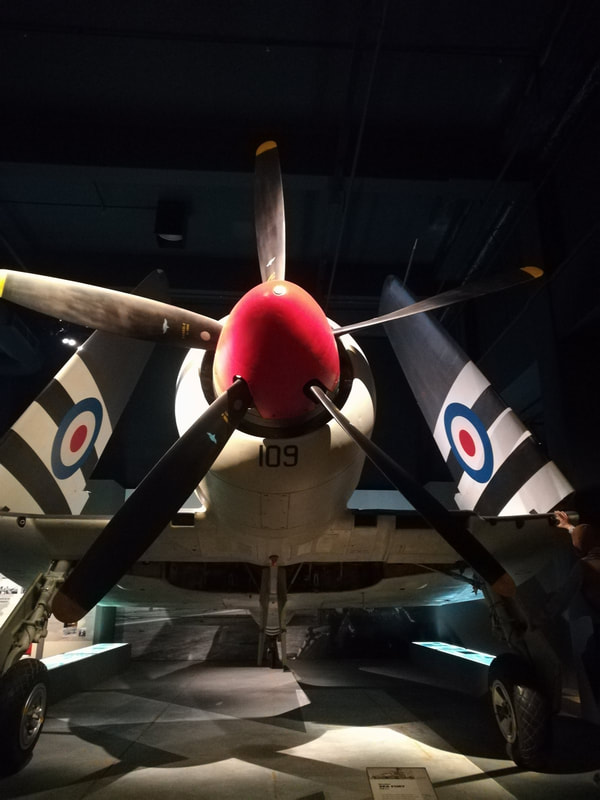
WW2 Aircraft for a Naval Air Carrier at the Australian War Memorial
|
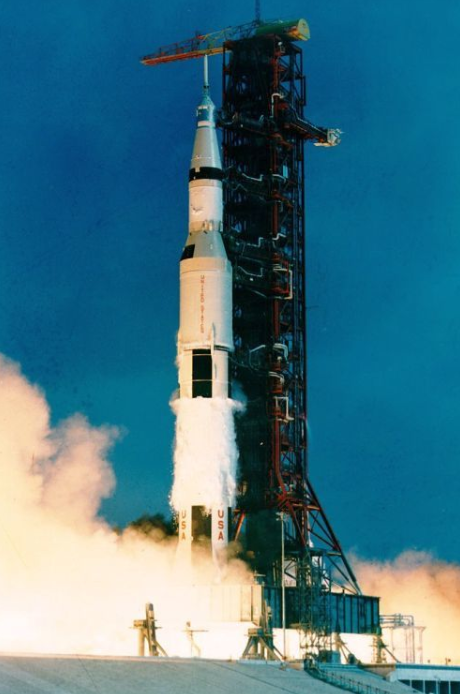
Apollo 11. Apollo 11 was the spaceflight that landed the first two people on the Moon. Commander Neil Armstrong and lunar module pilot Buzz Aldrin, both American, landed the Apollo Lunar Module Eagle on July 20, 1969, at 20:17 UTC.
|
What propels a rocket upwards into space? Think about what form of energy it uses to move and how this creates thrust (or force).
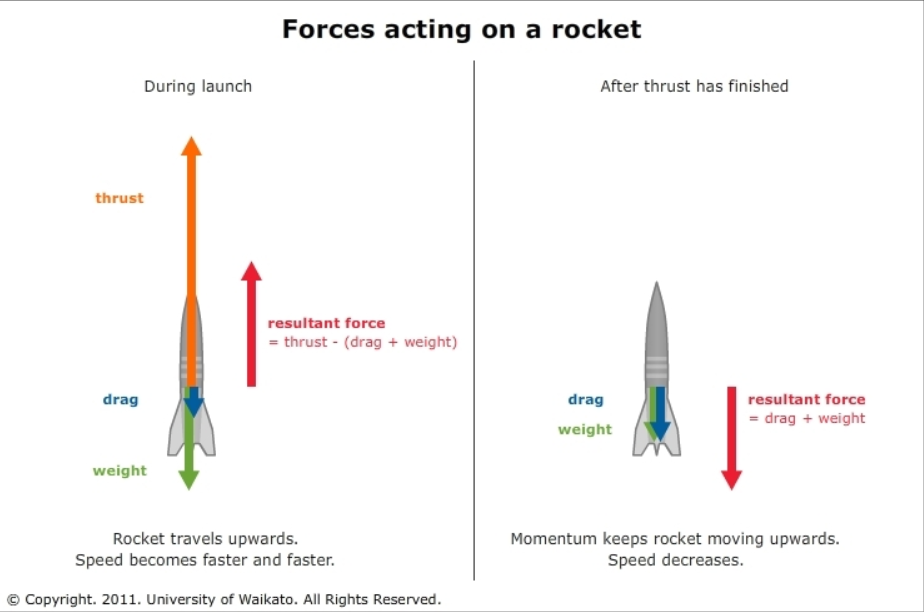
A rocket will launch and keep speeding up as long as the force pushing it upwards (thrust) is greater than the forces pulling and pushing it downwards (gravity and drag).Click the link below and read about Newtown's 1st Law of Motion and how unbalanced forces propel the rocket skyward. Make some notes to help you design your bottle rocket.
|
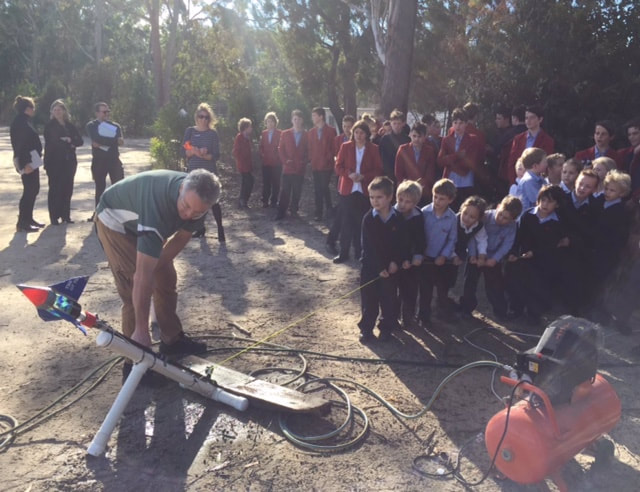
|
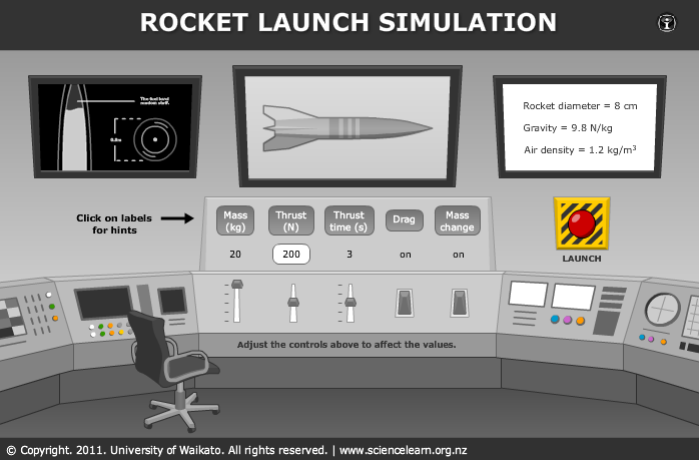
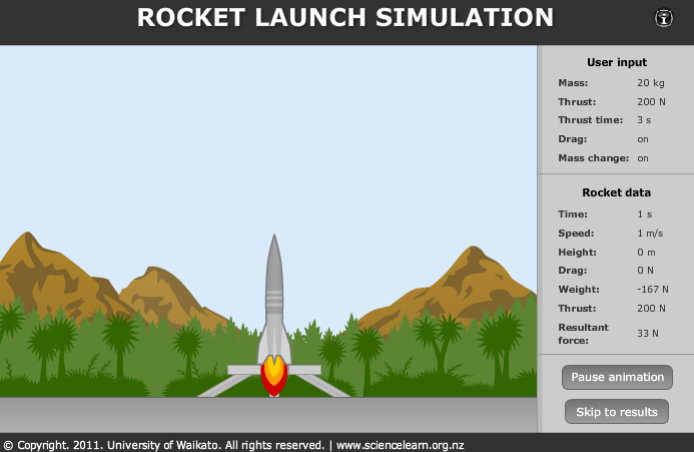

| launch_simulator_challenge.pdf |
Your Mission is...

|
In this unit you are learning about rocket science and design principles using Mathematics and Engineering problem solving techniques. You are being challenged to produce a rocket to outperform your peers. You will individually compile a portfolio of the information you collect for creating a rocket that is safe and effective and can reach the greatest height or flight time.
Working as part of a collaborative team complete the following: 1. Design and construct a device that maximises height or flight time. Your task will involve designing a rocket to be launched from a common launch pad. 2. Design and construct a rocket to measure height and speed. |
In your STEM Journal record under “Define”, “Discover”, “Dream” & “Design” as you plan your own rocket design.
|

|
How can you power your rocket?
|
Find out what happened to the pressure in the bottle when the substances were combined. What is the name of the force that pushed the rocket upwards? Which force had to be overcome for the rocket to launch?
Write a chemical reaction to explain the rocket launch. What safety issues should be considered when conducting this type of experiment? Find out about the chemical reactions used for the propulsion systems used in real rockets. What new technologies are being developed to improve rocket design and performance? |
ALL ABOUT WATER ROCKETS
|
Before you begin remember:
Safety Guide Safety is very important with any rocket. Rockets are safe when everyone understands and abides by safe behavior. Only plastic drink bottles should be used, and new bottles should be used whenever possible. Bottles should be retired from use after 10-15 launches. Start your journey into rocketry here, moving through Rocket Research 101, 102 & 103. Remember to make time to write down your ideas and findings as you go. This STEM journal is all part of learning to learn about ROCKETS.
|
|