What are we learning?
- Living sustainably helps us look after our community and the planet, and makes everyone's lives better.
- When we consider how to eat, we need to think about why we need to eat well.
- Understanding some important elements of food science, food-based research, food technologies and food innovations can help us live sustainably.
- Using STEM skills to investigate food helps us understand and support the UN Sustainable Development Goals (SDGs).
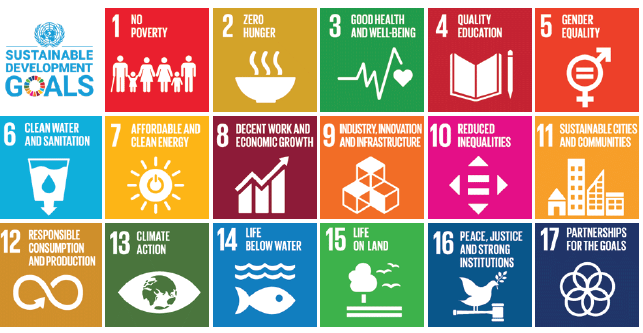
Go to: https://www.undp.org/sustainable-development-goals to find out more.
How will we learn this?
- Research, design and produce your own bento box for you and a member of your family.
How will you show you have learned this?
1. Read and watch all of the information on this webpage, complete the three quizzes and follow the directions below.
2. Download the PDF booklet "Make your own bento box".
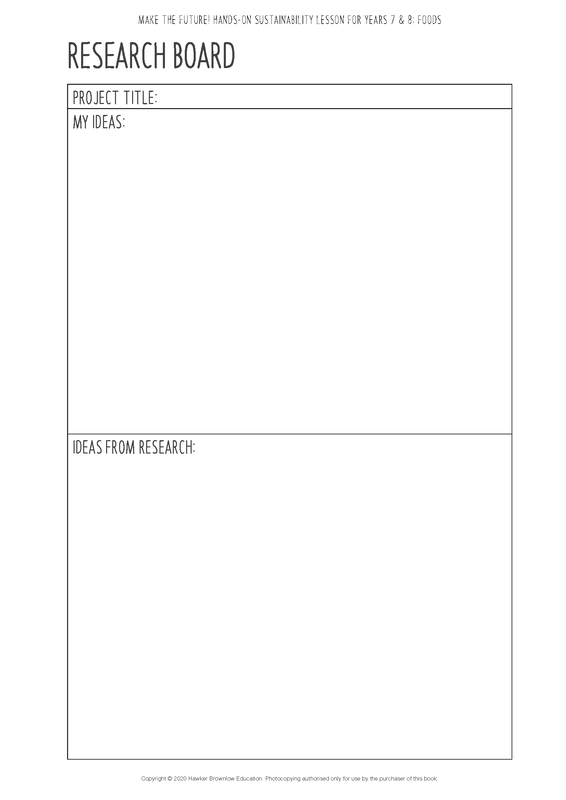
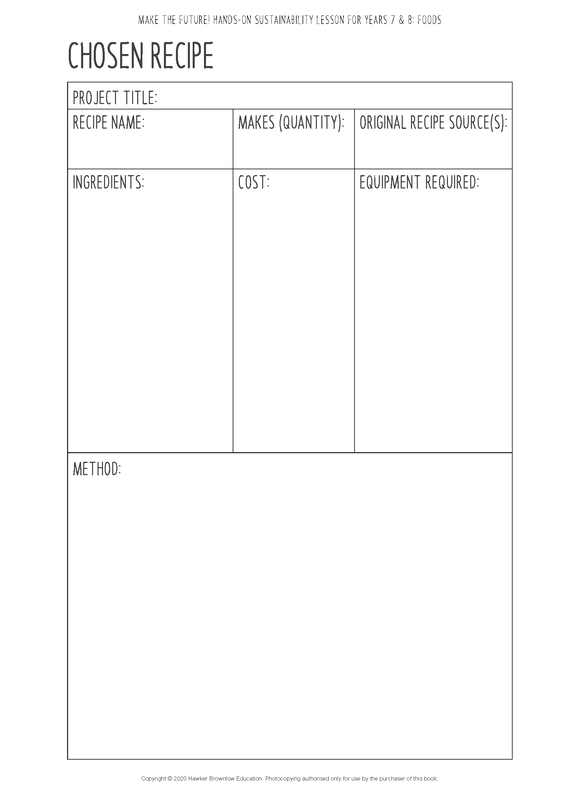
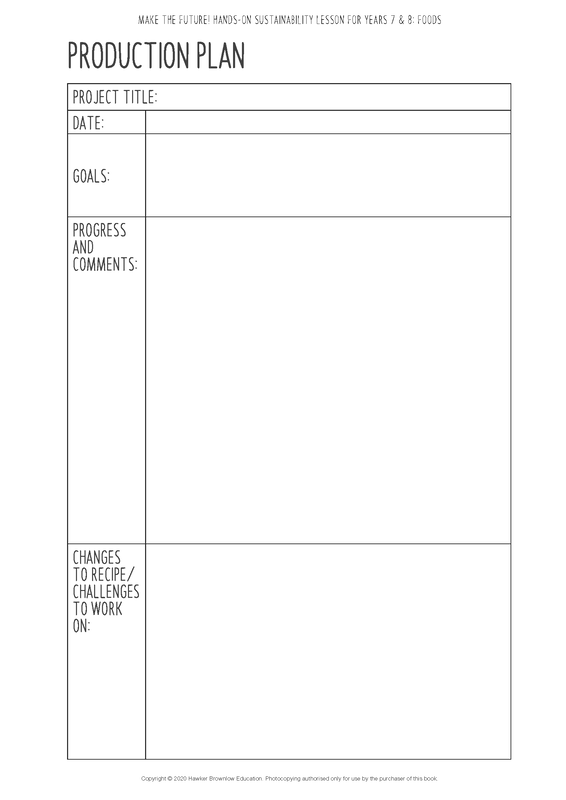
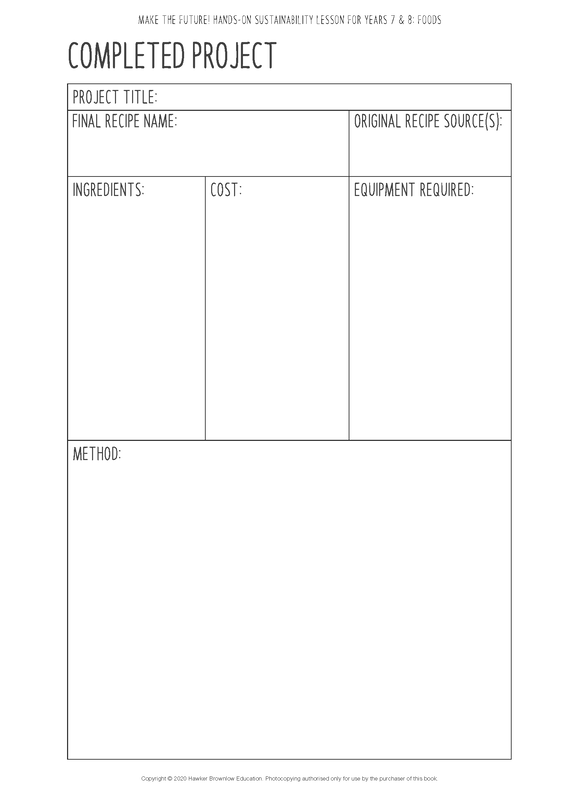
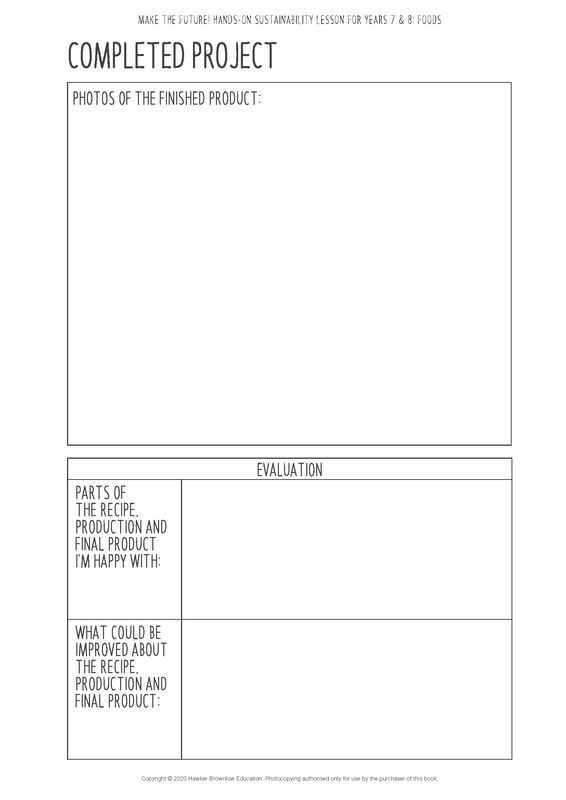
3. Complete all of the information on the sheets: Research board; Chosen recipe; Production plan and the Completed Project and submit your finished work on Google classroom (remember to include photos of your bento box).
2. Download the PDF booklet "Make your own bento box".
3. Complete all of the information on the sheets: Research board; Chosen recipe; Production plan and the Completed Project and submit your finished work on Google classroom (remember to include photos of your bento box).
Download the PDF booklet "Make your own bento box" and save to your drive.

| make_your_own_bento_box.pdf |
Sustainability in food production
|
This activity comes from "Resource Book of Ideas for National Science Week 2021" available from here.
|
Watch this clip from TED-Ed and check your understanding in the 5 MCQ quiz.
|
|
|
Why do we need to eat well?
Watch this clip from TED-Ed and check your understanding in the 5 MCQ quiz.
|
|
|
What is a bento box?
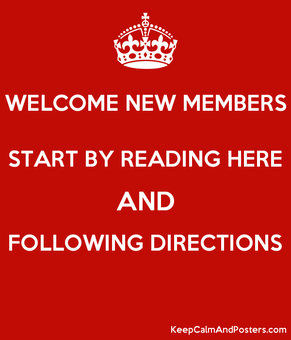
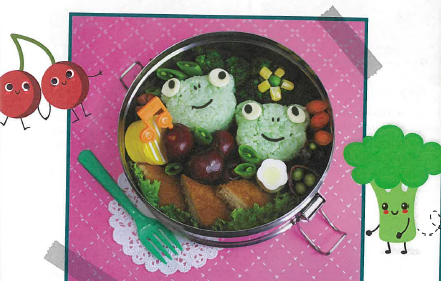
Bento is the Japanese term for a packed lunchbox. There are a lot of reasons to enjoy making your own bento:
- They can be made from a variety of different foods, so they can offer you a nutritious and tasty lunch.
- They can be made with any food you have at home, including seasonal produce and leftovers (reducing food waste and helping us live sustainably!).
- Bento boxes traditionally include foods of different colours, which helps them look appealing but also makes sure they are nutritionally balanced using antioxidants, carbohydrates and amino acids.
- They are also very cute and fun to create!
- By making your own bento box instead of buying a prepared lunch, you can save money, reduce waste and customise your meal to suit your taste and dietary needs.
What's important when making a bento box?
- One of the main differences about a bento box, when compared to an ordinary lunch box, is that the food is packed in tightly. As a design essential, this stops food moving around while the bento box is being transported.
- You can use any container at home that has a lid. You can also use lettuce cups or silicon muffin cups to separate foods that you don't want to mix.
- You can use any sort of food you have available.
- Use foods from different food groups, in particular include vegetables as the recommendation is that everyone should have at least five serves of vegetables a day. Fewer than 1% of Australian teenagers get that!
Research, design and produce your own bento box.
- It's time to start researching recipes and design ideas for your bento box.
- First, identify at least two leftover or unused food types you often have at home - try asking someone if you can't tell from looking in the kitchen. Choose one of these foods to use in your recipe.
- Next, you will need to research dishes that use your chosen food and could be eaten for lunch. Choose one. Find at least two different recipes for this dish so that you have alternative ingredients, amounts and methods to try.
- Make your recipe, following proper hygiene and safety steps. Ask your teacher for feedback on the prepared dish. Then decide if you need to modify the recipe to improve on it. This is where you use your STEM design thinking skills! If you do, make the modified version for someone at home and ask for feedback.
- Remember to document your progress (with photos) so you can identify any steps that need to be changed to improve the recipe. Make notes on the taste, texture and appearance of your food too.
- Finally, write up your improved recipe, add a photo of the finished product and complete the evaluation.
- Remember to complete all of these sheets during your project:
- Research Board
- Chosen Recipe
- Production Plan
- Completed Project
Reference: Nansi Kunse (2021) Make the Future! Hands-on Sustainability Lessons, Hawker Brownlow Education
|
|
|
|
|
Essential/ desirable features
ESSENTIAL:
DESIRABLE:
- your chosen recipe features the leftover food
- the dish is a possible lunch food
- appropriate hygiene and safety steps are followed
DESIRABLE:
- the leftover food is a major ingredient in the dish
- your finished dish looks appealing
- health aspects of lunch foods are taken into consideration (use ingredients from different food groups, particularly vegetables, for a nutritionally balanced box).
Here's some recipes you could start with ...
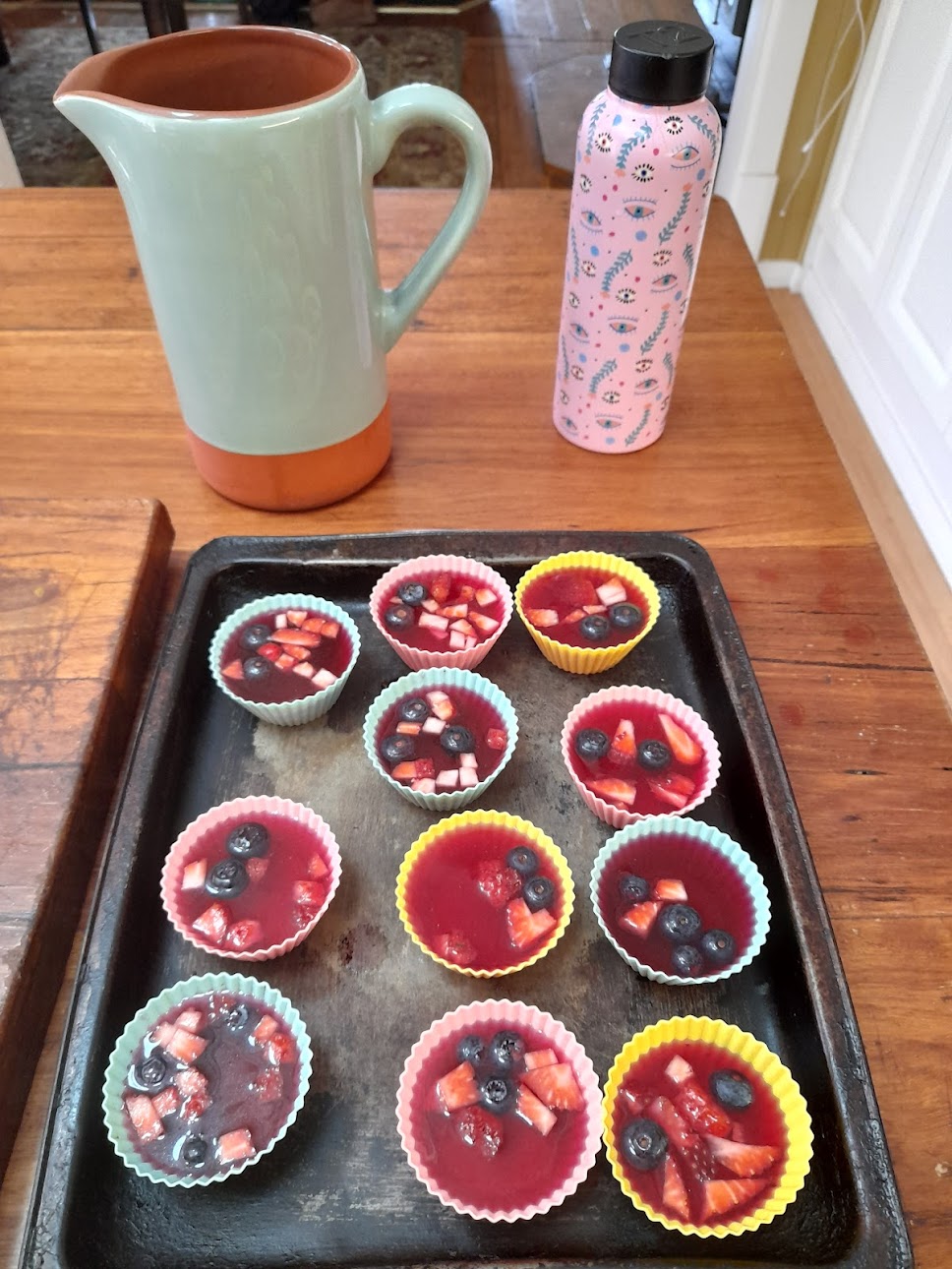
Jellied Fruit ShapesCut up some seasonal fruit and place in clean silicon muffin cups. Using a jelly mix or agar agar, follow the measurements precisely and make up a jelly mixture. Pour into the moulds and leave to set.
These make great treats for a bento box! |
|
