Teaching and Learning Program.

| y7_stem_mousetrap_cars.docx.pdf |
What are we learning?
- We currently rely on fossil fuels, a non-renewable resource, for transport and other resources such as plastics. Transport methods need to be developed that are more efficient and use alternative power sources.
- Energy is a power source, and it appears in different forms including movement (kinetic energy), heat and potential energy, and causes change within systems, including our environment.
- When we understand simple machines, we understand that changes to an object's motion is caused by unbalanced forces acting on the object and we can use this understanding to harness energy to help us in transportation.
- Using STEM skills to investigate transport helps us understand and support ethical, social, and environmental and sustainability considerations in our daily lives.
Intergovernmental Panel on Climate Change (IPCC) research suggests that the world needs to reduce global greenhouse gas emissions by 45% by around 2030, and achieve net-zero emissions by 2050, in order to avert the worst impacts of climate change. However, meeting such long-term goals will require deep cuts in emissions in the coming decades, including in transportation where emissions are projected to increase significantly by 2050, in the absence of new actions.
PLANET POLICY
Heavy transport is a big carbon emitter — how can we change course?
Samantha Gross and Jennifer Perron
Thursday, October 1, 2020
How will we learn this?
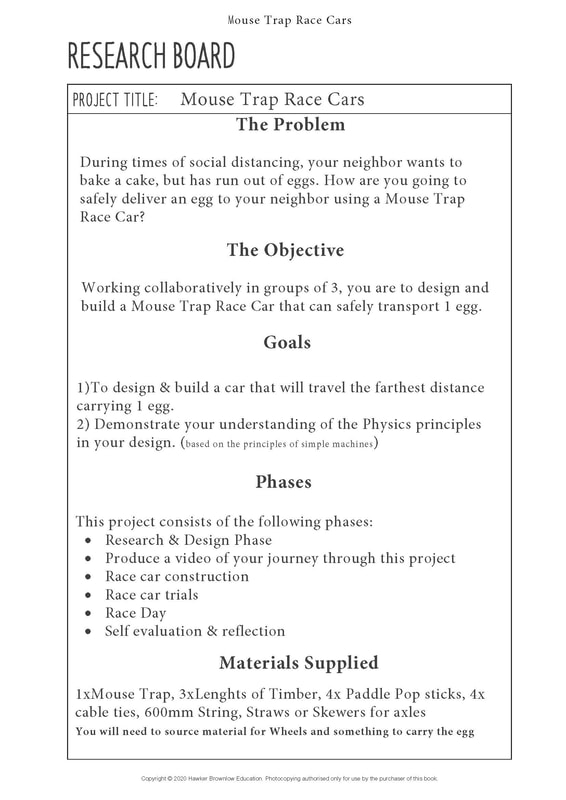
Design, produce and evaluate a mousetrap car that incorporates simple machines. It will need to move an egg to give to a neighbour, safely.
How will you show you have learned this?
|
1. Follow Work, Health and Safety Practices at all times.
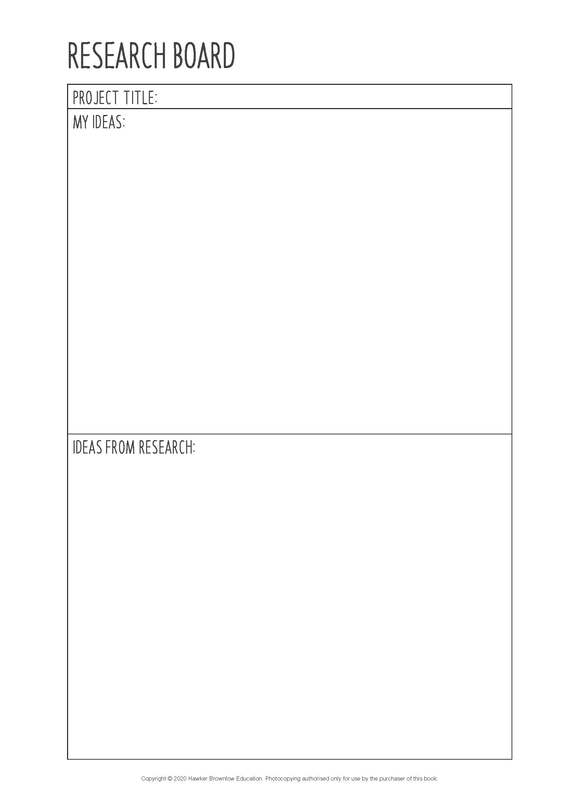
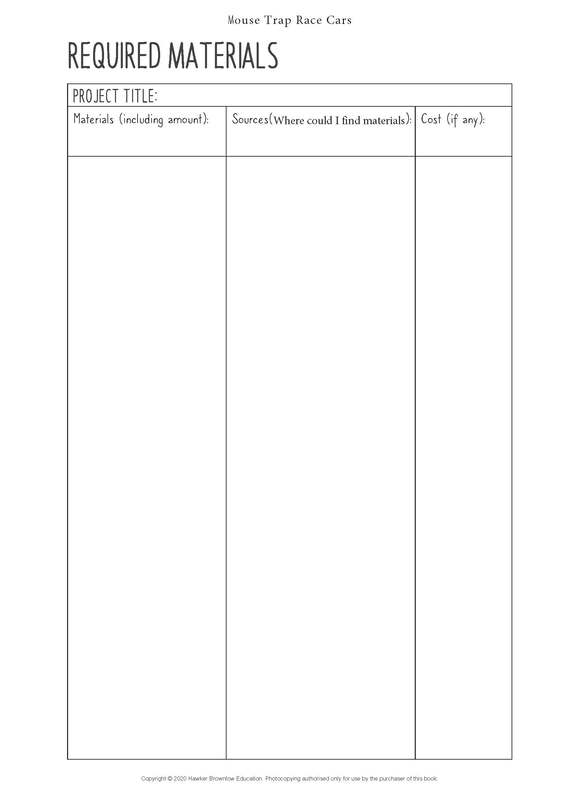
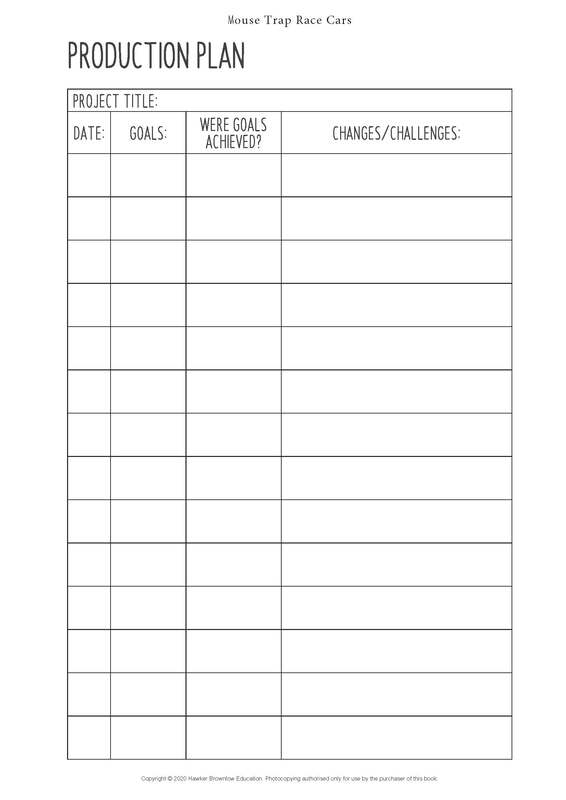
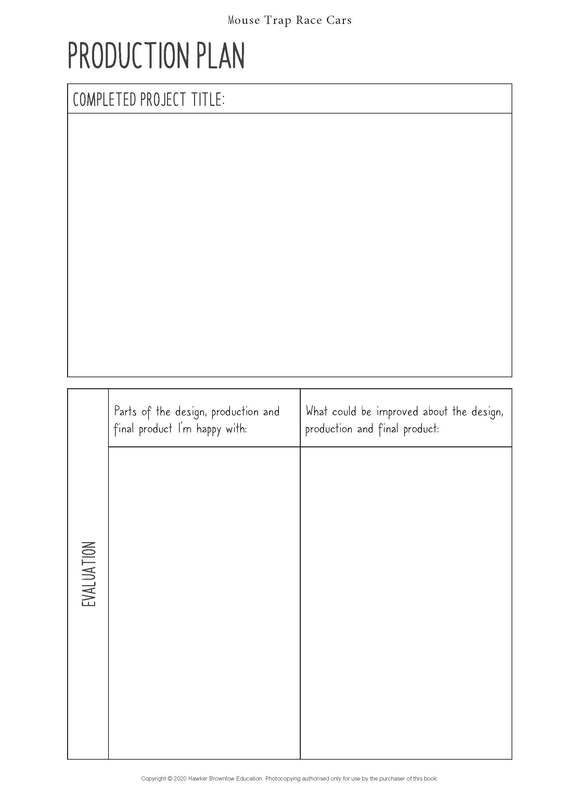
2. Download the PDF booklet "Make your own Mousetrap Race Cars". 3. Read and watch all of the information on this webpage, complete the three quizzes and activities, and follow the directions below. 4. Complete all of the information on the sheets:
5. Submit your finished work on Google classroom (remember to include photos of your mousetrap car) and participate in the Mousetrap Challenge. |
What are we looking for?
- You can explain the laws of motion and energy.
- You can use scientific reasoning through the design thinking process.
- You correct your mistakes using peer, teacher and self-feedback.
- You can create an efficient and engaging design.
| copy_of_markbook_rubric_move_it_.pdf |
|
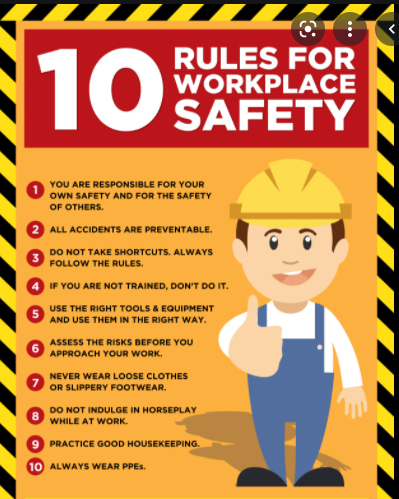
Work, Health and Safety PracticesEveryone needs to demonstrate responsible and safe use of a range of tools, materials and techniques in each design project. Everyone needs to show they can:
Show you know how to:
Write down these 10 rules in your STEM journal and give a commitment to using WHS practices to your group and your teachers. |
Create a Risk Assessment Matrix
|
A risk assessment helps you:
|
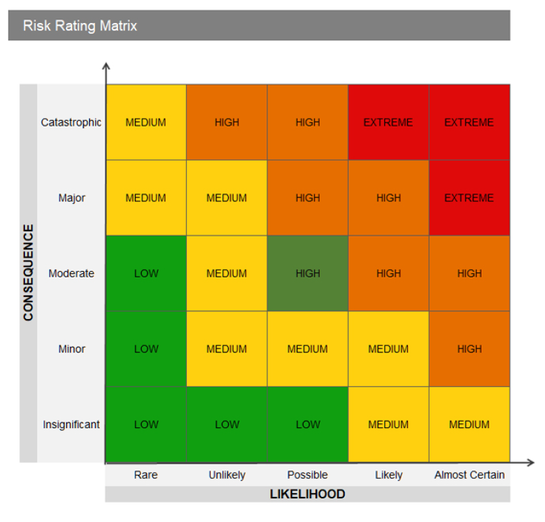
Being burnt when using a hot glue gun presents a medium risk as it is possible and has a minor consequence, eg small burn which can be treated with cold water.
|
Glue Gun Controls:
- Before use, check for damage to the gun’s casing and fraying to the electrical cord and plug. Make sure the on/off switch is functioning properly.
- Keep long hair tied back.
- Never lay a hot glue gun on its side. Store the glue gun in a safety stand.
- Always use a drip mat. This will help to catch hot glue drips and prevent damage to underlying surfaces.
- Make sure the work area is clean, dry, and clear of flammable materials and loose cables.
- Do not touch the heated nozzle of a hot glue gun, unless you’re removing it from the applicator. Always wear protective gloves for this.
- Never tilt a hot glue gun upwards – or for gluing overhead items.
- Never remove a part melted glue slug/stick through the back of the gun.
- Never leave a hot glue gun unattended, especially while plugged in. Unplug the glue gun if you’re not going to use it for over 40 minutes.

|
1. Identify THREE hazards when undertaking this project.
Complete this in your STEM journal.
|
When assessing the risk:
- Determine the level of consequences if this incident occurred. Consider what could reasonably happen as well as what could actually happen. Look at the descriptions in the "Risk Rating Matrix" and choose the most suitable category.
- Consider the likelihood: What is the likelihood of this identified hazard occurring? Look at the descriptions in the "Risk Rating Matrix" and choose the most suitable category.
- Using the "Risk Rating Matrix", identify the level of risk where the categories you have identified for consequence and likelihood intersect.
To ensure your safety and everyone else in the class, remove the bait plate and the spring lever.
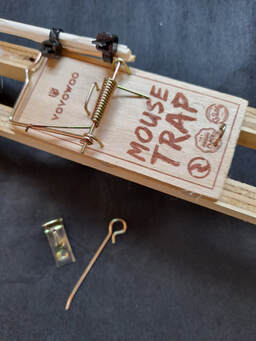
|
First remove the spring lever, shown here in the photo on the righthand side. Then remove the bait plate. If left in place they will interfere with the spring mechanism, and prevent your mousetrap car from racing successfully. An operator could also be injured accidentally if the trap was released on their fingers.
|
Download the PDF booklet "Design Challenge Mouse Trap Race Cars" and save to your drive.
| design_challenge_mouse_trap_race_cars.pdf |
Sustainability in energy use
Every year, the world uses 35 billion barrels of oil. This massive scale of fossil fuel dependence pollutes the earth, and it won’t last forever. On the other hand, we have abundant sun, water and wind, which are all renewable energy sources. So why don’t we exchange our fossil fuel dependence for an existence based only on renewables? Federico Rosei and Renzo Rosei describe the challenges.
Watch this clip from TED-Ed and check your understanding in the 5 MCQ quiz.
|
|
|
A Guide to the Energy of the Earth
Energy is neither created nor destroyed — and yet the global demand for it continues to increase. But where does energy come from, and where does it go? Joshua M. Sneideman examines the many ways in which energy cycles through our planet, from the sun to our food chain to electricity and beyond.
Watch this clip from TED-Ed and check your understanding in the 5 MCQ quiz.
|
|
|
Simple machines
The modern world is rich with examples of complex machines whose workings are seldom understood. Students (and many adults) commonly use the word ‘machine’ to describe complex mechanical devices powered by an engine or electric motor and designed to perform useful labour saving tasks.
We often believe that all machines produce much more work than their human operators put in. This view is consistent with our experiences of most powered mechanical devices e.g. chainsaws, electric power tools and hydraulic excavators.
Our everyday experiences seldom acknowledge devices like levers, inclined planes, wedges and pulleys as being types of ‘simple machines’. Although most people will have common experiences of the use of simple machines like levers and pulleys, few will have any understanding of why their design may provide an advantage or how they should be best employed. Many people also have difficulty in identifying or explaining these experiences to others and rarely identify parts of the human body, such as the arms or legs, as composed of levers.
Research: Hapkiewicz (1992), Bryan, Laroder, Tippins, Emaz & Fox (2008), Meyer (1995), Norbury (2006)
We often believe that all machines produce much more work than their human operators put in. This view is consistent with our experiences of most powered mechanical devices e.g. chainsaws, electric power tools and hydraulic excavators.
Our everyday experiences seldom acknowledge devices like levers, inclined planes, wedges and pulleys as being types of ‘simple machines’. Although most people will have common experiences of the use of simple machines like levers and pulleys, few will have any understanding of why their design may provide an advantage or how they should be best employed. Many people also have difficulty in identifying or explaining these experiences to others and rarely identify parts of the human body, such as the arms or legs, as composed of levers.
Research: Hapkiewicz (1992), Bryan, Laroder, Tippins, Emaz & Fox (2008), Meyer (1995), Norbury (2006)
It's time to find out more about simple machines:
|
|
|
Build your understanding
Identify simple machines you use everyday [hint: scratch your head to give you an idea!].
Try these word search activities to build your vocabulary of simple machines:
Try these word search activities to build your vocabulary of simple machines:
| simplemachinescrosswordwordsearchpacket-1.pdf |
Want to understand more? Follow the link to find out how to create your own cardboard automata:
What is a mousetrap car?
The Mousetrap Car project demonstrates the conservation of energy from elastic potential energy to kinetic energy through the use of a mousetrap and additional materials. Additionally, it studies collisions and momentum by jousting with eggs that must be protected by use of materials such as paddle pop sticks or straws.
- It uses a mousetrap spring as the primary energy source.
- The mousetrap supplied must be mounted to the chassis.
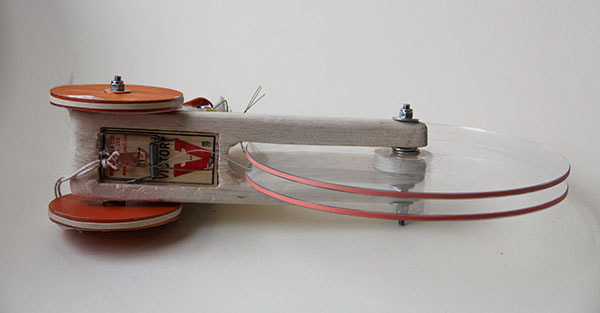
|
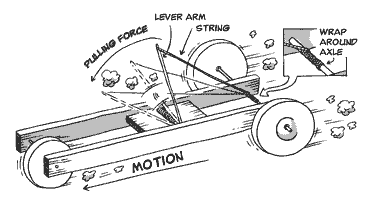
|
What's important when making a mousetrap car?
- only one mousetrap per racer
- no other means of power are allowed (CO2 cartridges, batteries, elastic strings, rubber bands, etc.)
- the mousetrap cannot be dissembled and then reassembled
- the springs cannot be cut, bent, over-wound, heat-treated or altered in any way
- all wheels must stay in contact with the ground
Design, produce and evaluate your own mousetrap car.
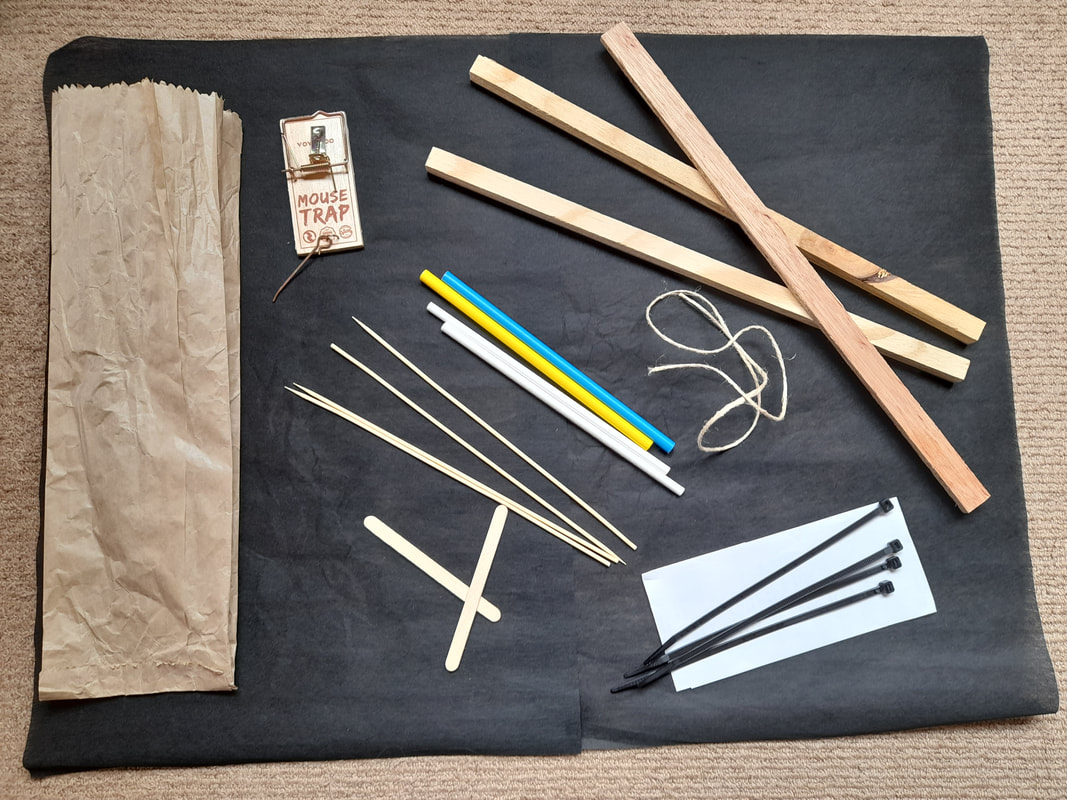
This is what your starter pack looks like.
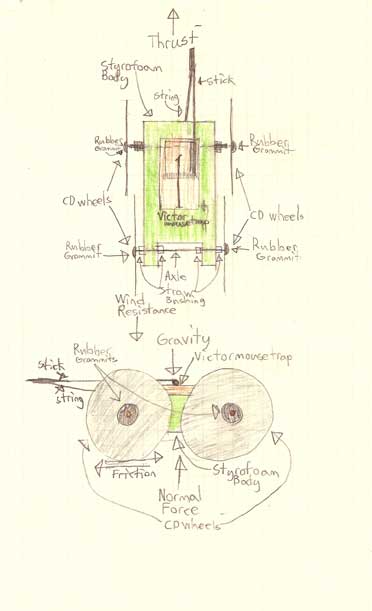
An example of a student's design with notes on energy and forces.
|
|
|
|

|

|
|
|
|
|
|
Essential/ desirable features
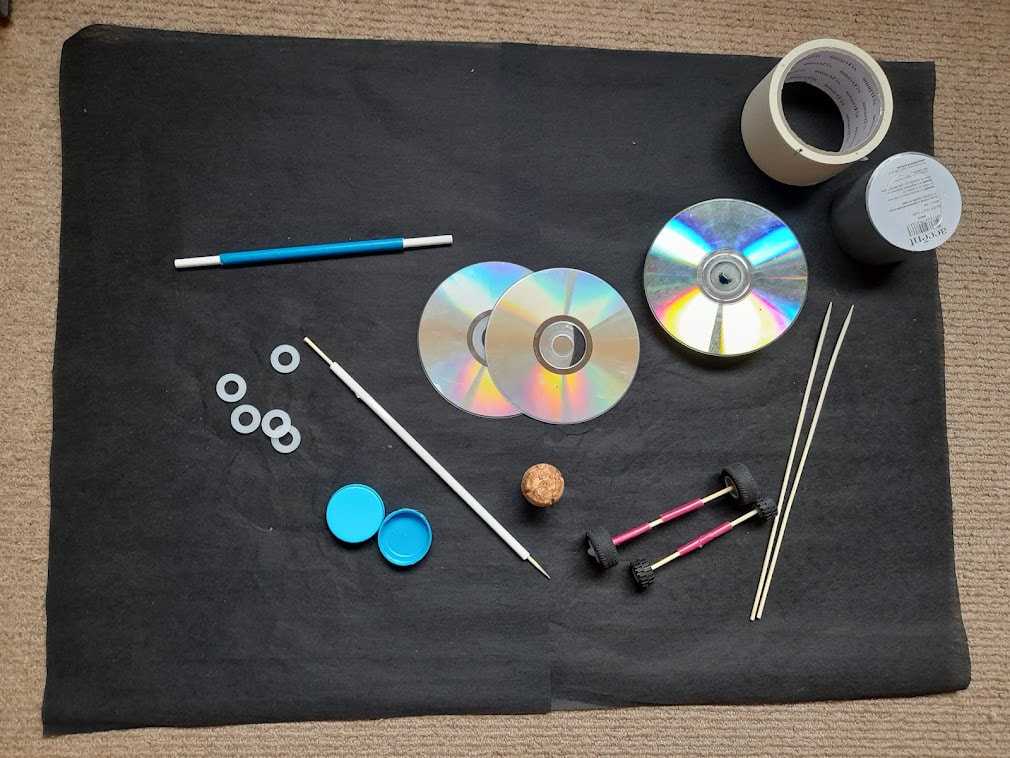
You can use different options for wheels and axles
|
ESSENTIAL:
DESIRABLE:
|
|
|
|
Here's some ideas you could start with ...
|
|
|